Understanding the Scope of Legal Authority of Private Security Personnel in Florida

Private security personnel play a vital role in safeguarding businesses, properties, and individuals. However, their authority is not unlimited, and they must operate within the boundaries of the law. In this blog, we will delve into the scope of legal authority of private security personnel in Florida, exploring their roles, responsibilities, and the legal framework that governs their actions.

Roles and Responsibilities of Private Security Personnel |

Private security personnel encompass a wide range of roles, from security guards in shopping malls to corporate security officers. While their specific duties may vary, their primary responsibilities include |

By understanding the intersections of these factors, you can forge a path toward better health and a more balanced life. Post-acute withdrawal syndrome, or Tramadol 50 Mg Price PAWS, is a condition that can occur after a person stops using certain substances, particularly those that affect the brain's chemistry, like opioids and alcohol. In families, the establishment of bedtime routines can also create Klonopin No Rx opportunities for bonding and communication. Access to healthcare services, nutritious Lorazepam Safe food, and safe environments are crucial for promoting health equity. Such discussions can lead to more comprehensive care plans that address both physical and Xanax Overnight Delivery mental health needs. For instance, individuals working from home may become sedentary, Buy Tramadol Without Prescription leading to deconditioning and greater susceptibility to blood Xanax Overnight Shipping pressure fluctuations upon standing. In the context Amoxicillin Buy Online of American healthcare, where policies and practices are constantly shifting, there is a growing recognition of the need for comprehensive training for providers. Personalizing treatment plans not only maximizes the chances of success but Diazepam Usa also fosters a sense of partnership between patient and provider. Educational initiatives aimed at both healthcare providers and the general public can help demystify mental health conditions and Buy Xanax Online Overnight promote a more compassionate understanding of Trusted site to Buy Soma patients' experiences.
  1. Deterrence |

    Acting as a visible deterrent to potential threats and criminal activities.
  2. Access Control |

    Managing entry and exit points, checking identification, and ensuring that only authorized individuals enter restricted areas.
  3. Surveillance |

    Monitoring security cameras, patrolling premises, and reporting any suspicious activities or incidents.
  4. Emergency Response |

    Responding to security breaches, alarms, and emergencies, and contacting law enforcement when necessary.
  5. Conflict Resolution |

    Resolving conflicts or disturbances on the premises through verbal de-escalation techniques or physical intervention when required.

Legal Framework Governing Private Security Personnel in Florida |

Private security personnel in Florida must adhere to a comprehensive legal framework that outlines their authority and responsibilities. Key aspects of this framework include |

1. Licensing |

Security personnel in Florida are required to obtain the appropriate licenses and certifications. This includes training in areas like conflict resolution and the use of force.

2. Use of Force |

Private security personnel must understand the legal limits of the use of force. Florida law allows for reasonable force to protect property and individuals but prohibits excessive or unnecessary force.

3. Citizen’s Arrest |

Security personnel may make citizen’s arrests in Florida under specific circumstances, such as witnessing a felony. However, they must ensure that their actions comply with legal standards.

4. Cooperation with Law Enforcement |

Private security personnel are not law enforcement officers, and their authority is limited. They should cooperate with and defer to law enforcement when they arrive on the scene of an incident.

5. Privacy Rights |

Security personnel must respect the privacy rights of individuals, including not engaging in activities like unwarranted searches or invasive surveillance.

6. Legal Liability |

Security personnel can be held legally liable for actions that exceed their authority or violate the law. This underscores the importance of training and adherence to regulations.

Scope of Authority and Limitations |

While private security personnel have important roles in maintaining safety and security, it’s crucial to understand their limitations |

1. Not Law Enforcement |

Private security personnel are not law enforcement officers. They lack the broader authority and legal powers of arrest that police officers possess.

2. Limited Detention |

Security personnel can detain individuals in specific situations, such as suspected shoplifting, but only until law enforcement arrives. They cannot hold individuals indefinitely.

3. Use of Force |

The use of force must be proportionate and reasonable. Excessive force can lead to legal consequences.

4. Legal Reporting |

Security personnel should be well-versed in the legal requirements for reporting incidents, particularly when they involve the use of force or detainment.

Role of Security Guarding Companies |

Security guarding companies in Florida play a significant role in ensuring that their personnel operate within the scope of legal authority. Their responsibilities include |

  1. Training |

    Providing comprehensive training that covers legal standards, conflict resolution, and ethical conduct.
  2. Supervision |

    Monitoring and supervising security personnel to ensure compliance with the law and company policies.
  3. Legal Guidance |

    Offering guidance on the legal limits of authority and the appropriate response to different situations.

Keywords and Ranking |

To optimize the blog’s ranking among top security guarding company blogs in Florida, consider using keywords like “private security authority in Florida,” “legal framework for security personnel,” and “security officer responsibilities.”

Summing Up | Balancing Security and Legality

Private security personnel are essential for maintaining safety and security, but they must operate within the boundaries of the law. Understanding the scope of their legal authority and limitations is crucial for both security personnel and the organizations they serve, ensuring that security measures are effective, ethical, and legally sound.

For expert security guards in Florida and private security personnel in Florida, trust Shergroup USA. Email us at [email protected] or call us at 833-743-7872. Visit our website at www.shergroupusstg.wpenginepowered.com to learn more about how we balance security and legality to protect your interests. Your safety is our priority.

Privacy and Security | Can Security Guards Record You in Florida?

In today’s world, security concerns are paramount, and surveillance is a common practice in various settings. But what are your rights when it comes to being recorded by security guards in Florida? In this blog, we will explore the legal landscape surrounding security guards and their ability to record individuals in the state, while also highlighting the importance of balancing security and privacy.

Understanding the Role of Security Guards |

Security guards play a crucial role in safeguarding properties, people, and assets. Their duties extend beyond mere observation and protection |

  1. Emergency Preparedness |

    Security guards are trained to respond to various emergencies, including fires, medical incidents, and natural disasters, ensuring the safety of all on-site.
  2. Customer Service |

    They often serve as the first point of contact for visitors, providing information, assistance, and a sense of security.
  3. Access Control and Verification |

    Guards manage entry and exit points, verify identifications, and ensure that only authorized individuals enter restricted areas.
  4. Conflict Resolution |

    They possess conflict resolution skills, which are valuable in preventing and de-escalating confrontations.

Florida’s Legal Framework |

Florida, like many states, has specific laws governing security personnel and their surveillance activities. Key considerations include |

  1. Licensing and Training |

    Security guards in Florida must obtain appropriate licenses and certifications, which often include training on topics such as conflict resolution and the lawful use of surveillance equipment.
  2. Use of Surveillance Equipment |

    The use of surveillance equipment, including cameras, must comply with the law, ensuring that recordings are not invasive and respect individuals’ privacy rights.
  3. Use of Force |

    Security guards must understand the legal limits of the use of force. Florida law permits reasonable force to protect property and individuals but prohibits excessive or unnecessary force.
  4. Legal Liability |

    Security guards can be held legally liable for actions that exceed their authority or violate the law. Therefore, proper training and adherence to regulations are vital.

Recording Individuals in Florida |

When it comes to recording individuals in Florida, there are several important points to consider |

  1. Public Spaces |

    In public spaces where individuals do not have a reasonable expectation of privacy, security cameras and security guards can generally record without explicit consent. However, privacy rights still apply, and recordings should not be used for unauthorized or unethical purposes.
  2. Private Property |

    In private settings, such as businesses or residential communities, security cameras and guards may record individuals. However, clear signage notifying individuals of the presence of surveillance is often advisable.
  3. Audio Recording |

    Florida follows a two-party consent rule for audio recording, meaning that all parties involved in a conversation must consent to its recording. Security personnel should be cautious when recording audio.
  4. Respect for Privacy |

    Security guards should always respect individuals’ privacy rights and avoid recording in areas where there is a reasonable expectation of privacy, such as restrooms or changing rooms.

Ensuring Compliance and Security |

Balancing security and privacy is essential in any surveillance context. Security providers and individuals alike benefit from |

  1. Training and Supervision |

    Security companies must provide comprehensive training to their personnel on legal standards, ethics, and privacy rights. Regular supervision ensures compliance with the law and company policies.
  2. Legal Guidance |

    Security companies offer guidance on the legal limits of authority and the appropriate response to different situations.

Summing Up | Know Your Rights and Stay Secure

In Florida, security guards have certain rights and responsibilities when it comes to recording individuals. Understanding these rights and the legal framework surrounding security personnel is essential for both security providers and the individuals they serve. Balancing security and privacy ensures that safety measures are effective, lawful, and respectful of individuals’ rights.

For expert advice on the legal landscape of security guards and surveillance, reach out to Shergroup USA at [email protected] or call 833-743-7872. Explore our website at www.shergroupusa.com to discover how we ensure the balance between security and privacy while providing top-tier security guards in Florida. Your safety and rights matter – contact us today.

Striking the Balance | Security vs. Privacy in Florida

Balancing security and privacy are an ongoing challenge in our increasingly connected world. Nowhere is this delicate balance more evident than in the state of Florida, where concerns for personal safety and individual privacy intersect. This blog explores the complex interplay between security and privacy in Florida, shedding light on legal regulations, individual rights, and the role of security guarding companies in maintaining this equilibrium.

The Need for Security |

Florida’s diverse landscape, bustling cities, and vibrant tourism industry underscore the need for robust security measures. Residents, business owners, and visitors alike rely on various security measures to protect lives and property. These measures include |

  1. Surveillance Cameras |

    From businesses to residential communities, surveillance cameras play a vital role in deterring criminal activity and providing crucial evidence when incidents occur.
  2. Private Security Services |

    Security guarding companies in Florida are in high demand, offering trained professionals who ensure safety at various establishments, events, and properties.
  3. Emergency Services |

    Timely responses from law enforcement and emergency services are essential for public safety.

The Right to Privacy |

Individuals also have a fundamental right to privacy, which is enshrined in both state and federal law. Florida’s constitution explicitly guarantees the right to privacy, and federal statutes such as the Fourth Amendment protect against unreasonable searches and seizures. Key aspects of privacy include |

  1. Data Privacy |

    Concerns about the collection and misuse of personal data have intensified with the rise of technology. Floridians, like all Americans, expect their data to be managed responsibly and with consent.
  2. Home Privacy |

    Florida law upholds the sanctity of the home. The Fourth Amendment ensures that law enforcement requires a warrant to enter a private residence, protecting residents’ privacy rights.

Striking the Balance |

The challenge lies in striking a balance between security and privacy that respects both individual rights and collective safety. Several factors influence this equilibrium |

  1. Legal Regulations |

    Florida law acknowledges the importance of both security and privacy. Companies and individuals must adhere to privacy laws while implementing security measures.
  2. Consent |

    For audio and video surveillance in private areas, obtaining consent from all parties involved is essential to remain compliant with Florida’s two-party consent rule.
  3. Public vs. Private Spaces |

    Distinguishing between public and private spaces is crucial. In public areas, surveillance cameras are generally accepted as they serve broader security interests. In private spaces, respecting the right to privacy is paramount.

The Role of Security Guarding Companies |

Security guarding companies in Florida play a vital role in maintaining the balance between security and privacy. Their responsibilities include |

  1. Professionalism |

    Security guards are trained to handle security matters with respect for individual rights and privacy.
  2. Surveillance Ethics |

    Ensuring that surveillance activities are conducted within legal and ethical boundaries.
  3. Conflict Resolution | De-escalating situations to prevent unnecessary intrusion on privacy.

Summing Up | Safeguarding Rights and Safety

The debate over security versus privacy is ongoing and multifaceted. In Florida, as elsewhere, it is essential to respect individual rights while implementing necessary security measures. Striking this balance requires cooperation, adherence to laws, and the expertise of security guarding companies committed to upholding both safety and privacy.

Ready to strike the perfect balance between security and privacy in Florida?

Contact Shergroup USA, one of the best security guard companies in Orlando, Florida. Email us at [email protected] or call 833-743-7872. Explore our expertise at http://www.shergroupusa.com/ and let us safeguard your rights and safety effectively today.

Navigating School Surveillance Policies | Balancing Security and Privacy

In an era of heightened security concerns, schools across Florida are grappling with the need to ensure safety while respecting the privacy rights of students, staff, and visitors. School policies on surveillance play a pivotal role in striking this delicate balance. In this blog, we will explore the key aspects of school surveillance policies, their importance, and the role of security guarding companies in ensuring compliance and safety.

Understanding School Surveillance Policies |

School surveillance policies are comprehensive guidelines that govern the use of surveillance technologies and practices within educational institutions. These policies encompass various aspects of surveillance, including |

1. Camera Placement |

Policies dictate where surveillance cameras can be installed on school grounds, such as entrances, hallways, common areas, and parking lots.

2. Access Control |

Surveillance policies often include provisions for access control systems, ensuring that only authorized personnel can enter certain areas of the school.

3. Recording and Storage |

Guidelines detail how long surveillance footage should be retained, who has access to it, and how it should be stored securely.

4. Notification |

Some policies require schools to post notices informing students, staff, and visitors that surveillance is in place.

5. Compliance with Laws |

School surveillance policies must align with federal, state, and local laws, such as the Family Educational Rights and Privacy Act (FERPA) and the Children’s Online Privacy Protection Act (COPPA).

6. Data Protection |

Policies often include provisions for protecting the privacy of students, including restrictions on the use of facial recognition technology and other biometric data.

Importance of School Surveillance Policies |

  1. Security |

    Surveillance policies are essential for maintaining a safe school environment. Cameras can deter misconduct, vandalism, and unauthorized access.
  2. Accountability |

    Surveillance footage can serve as valuable evidence in investigations of incidents such as bullying, theft, or violence, holding individuals accountable for their actions.
  3. Emergency Response |

    In the event of emergencies, surveillance systems can provide real-time information to law enforcement and first responders, enabling faster and more effective responses.
  4. Privacy Protection |

    Policies ensure that surveillance is conducted responsibly and with respect for the privacy rights of students and staff. This includes guidelines for the handling of sensitive information.

Role of Security Guarding Companies |

Security guarding companies can play an important role in helping to implement and maintain school surveillance policies which work in conjunction with guarding operations. Their responsibilities include |

1. Physical Security |

Security guards are trained to protect the physical premises of schools, ensuring that surveillance equipment is secure from tampering or vandalism.

2. Access Control |

Guards manage access to school facilities, enforcing policies that restrict entry to authorized personnel only.

3. Incident Response |

Security professionals are trained to respond to security breaches or incidents, working in conjunction with surveillance systems to address threats promptly.

4. Compliance |

Security guards ensure that school surveillance practices adhere to the policies and legal regulations in place, helping schools avoid legal issues.

Summing Up | Safeguarding Florida’s Educational Spaces

School surveillance policies are essential tools for maintaining safety and security within educational institutions. By striking a balance between security and privacy and ensuring compliance with laws, schools in Florida can create environments that promote learning and protect the well-being of students and staff.

Contact Shergroup USA, one of the best security guard companies in Orlando, Florida. Email us at [email protected] or call us at 833-743-7872. Visit our website at www.shergroupusa.com to learn more about our expert security solutions. Protect your school’s environment, promote learning, and ensure safety with Shergroup USA today.

Video Surveillance Signs in Florida | Navigating Legal and Ethical Considerations

Video surveillance has become a widespread practice in various settings, including businesses, homes, and public spaces. In Florida, there are important legal and ethical considerations regarding the use of surveillance cameras and the requirement to post signs informing individuals about their presence. In this blog, we will explore the question | Do you have to put a sign for video surveillance in Florida? We will delve into the legal landscape, privacy concerns, and the role of security guarding companies in ensuring compliance and security.

Legal Landscape in Florida |

Florida law does not explicitly mandate the posting of signs to indicate the presence of video surveillance cameras on private property or in public spaces. However, there are important legal principles and considerations that individuals and organizations must keep in mind |

1. Reasonable Expectation of Privacy |

In Florida, and across the United States, the concept of a “reasonable expectation of privacy” plays a critical role. Generally, individuals do not have a reasonable expectation of privacy in public spaces. Therefore, it is not mandated to post signs in public areas where surveillance cameras are used.

2. Consent and Notification |

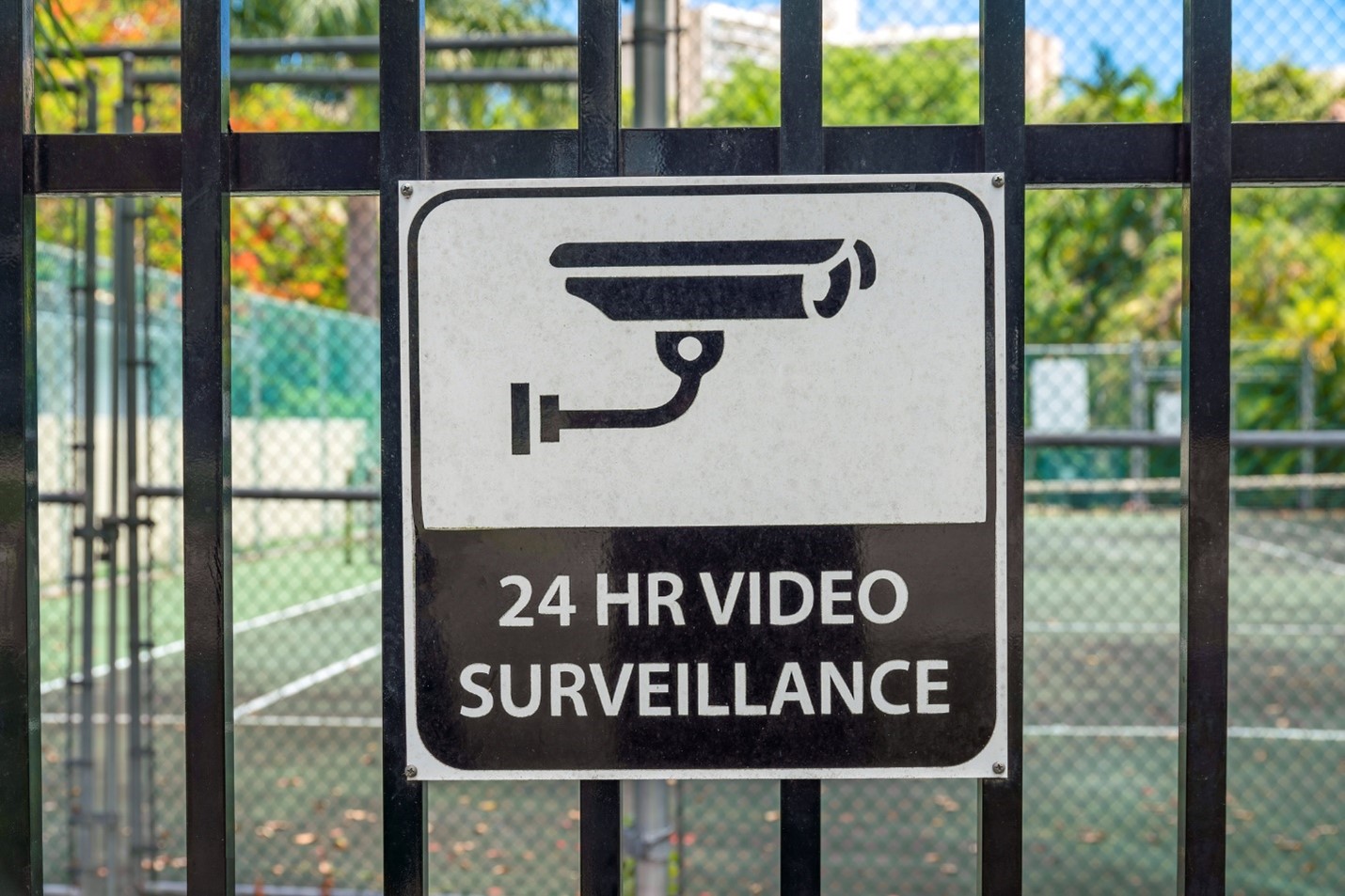
While not mandatory, posting signs can serve as a form of notification and provide a degree of transparency.  Here at Shergroup USA we think it is best practice to inform individuals that they may be under surveillance, especially in private settings like homes and businesses.

3. Audio Recording |

If surveillance cameras also capture audio, Florida law follows a two-party consent rule. All parties involved in a conversation must consent to its recording. Failure to obtain consent for audio recording may lead to legal issues.

Privacy Concerns |

While not legally required, posting signs for video surveillance is a way to address privacy concerns and demonstrate respect for individuals’ rights |

1. Deterrence |

Visible surveillance signs can function as a deterrent, discouraging potential wrongdoers from engaging in illegal activities on the property.

2. Informed Consent |

Signs provide individuals with information about the presence of cameras, allowing them to make informed decisions about their actions and behaviors in that space.

3. Privacy Expectations |

In settings like bathrooms or changing rooms, individuals have a higher expectation of privacy. In such cases, it is crucial to ensure that surveillance is not invasive and respects individuals’ privacy rights.

Role of Security Guarding Companies |

Security guarding companies in Florida play a crucial role in ensuring that video surveillance practices adhere to legal and ethical standards. Their responsibilities include |

1. Compliance |

Security guards ensure that surveillance activities align with Florida laws and regulations, providing guidance based on proper risk assessment of where cameras should be placed and whether signs should be posted.

2. Privacy Protection |

Guards help organizations strike a balance between security and privacy, ensuring that surveillance is conducted in an ethical and respectful manner. 

3. Incident Response |

Security professionals are trained to respond to incidents involving surveillance, including unauthorized access or data breaches.

Summing Up | Balancing Security and Privacy

In Florida, the decision to post signs for video surveillance is not legally mandated, but it can enhance transparency, deter potential wrongdoers, and demonstrate respect for privacy rights.

By understanding the legal landscape and working with security guarding companies, such as Shergroup Security, individuals and organizations can navigate these considerations effectively while maintaining security and privacy.

Contact us at [email protected] or call 833-743-7872. Visit our website at www.shergroupusa.com to discover why we’re one of the best security guard companies in Orlando, Florida. Protect your privacy and security – reach out to Shergroup USA today.


Becoming a Physical Security Consultant | Key Requirements Unveiled

Are you intrigued by the role of a physical security consultant and considering it as your career path? Shergroup USA is here to unveil the essential requirements for becoming a successful physical security consultant. In this concise guide, we’ll outline the key steps and qualifications needed to embark on this fulfilling career.

Key Requirements to Become a Physical Security Consultant

  1. Educational Background

While formal education requirements can vary, having a strong educational foundation is beneficial. A bachelor’s degree in fields like criminal justice, security management, or a related discipline can provide valuable knowledge and credibility in the industry.

  1. Security Experience

Prior experience in the security field is invaluable. Many successful security consultants have backgrounds as security managers, law enforcement officers, or military personnel. Practical experience helps you understand the nuances of security operations.

  1. Certifications

Earning relevant certifications can enhance your qualifications and marketability as a security consultant. Consider pursuing certifications such as |

  1. Certified Protection Professional (CPP)
  2. Physical Security Professional (PSP)
  3. Certified Information Systems Security Prfessional (CISSP)
  4. Certified Security Consultant (CSC)
  1. Specialized Training

Depending on your niche within physical security consulting (e.g., access control, risk assessment, or cybersecurity), consider specialized training to build expertise in your chosen area. Training courses and workshops can provide valuable insights and skills.

  1. Networking

Building a professional network is crucial in the security consulting industry. Attend industry conferences, join security associations, and connect with peers and mentors. Networking can open doors to opportunities and collaborations.

  1. Strong Communication Skills

Effective communication is a fundamental skill for security consultants. You must be able to convey complex security concepts and recommendations clearly and persuasively to clients and stakeholders.

  1. Analytical Abilities

Security consultants often analyze data, assess risks, and develop security strategies. Strong analytical skills are essential for evaluating vulnerabilities and proposing effective solutions.

  1. Legal and Ethical Knowledge

Understanding the legal and ethical aspects of security consulting is critical. You must operate within the bounds of the law and adhere to ethical standards to maintain trust and credibility.

Benefits of Being a Physical Security Consultant

  • Varied Work Environments

  • As a consultant, you may work with a diverse range of clients, from businesses to government agencies, providing a dynamic and engaging career.
  • Problem Solving

  • Security consultants are problem solvers. You have the opportunity to assess unique security challenges and develop customized solutions.
  • Financial Rewards

  • Experienced security consultants often command competitive salaries and consulting fees.
  • Impact

    |
  • Your work can have a significant impact on the safety and security of organizations and communities.

Summing Up |

Becoming a physical security consultant is a rewarding journey that combines education, experience, and continuous learning. By meeting the requirements outlined above and maintaining a commitment to excellence, you can build a successful career in the security consulting industry.

For more information on security consulting and to explore our services, visit our website at www.shergroupusstg.wpenginepowered.com

Contact Shergroup USA for expert guidance on audio recording and security. Email us at [email protected] or call 833-743-7872. Visit our website at www.shergroupusa.com/ to explore why we’re among the top security companies in Orlando, Florida. Protect your property and stay on the right side of the law with Shergroup USA today.

Demystifying Orlando Security Systems | How They Safeguard Your Peace of Mind

Have you ever wondered how Orlando security systems work to protect your home or business? Shergroup USA is here to unravel the mystery. In this concise guide, we’ll provide an overview of the inner workings of Orlando security systems, shedding light on the technology that keeps you safe.

How Orlando Security Systems Operate

Sensors and Detectors

Orlando security systems rely on an array of sensors and detectors strategically placed throughout the premises. These devices can detect a variety of events, such as motion, door/window openings, glass breakage, and even environmental changes like smoke or carbon monoxide.

Control Panel

The control panel serves as the brain of the security system. It receives signals from the sensors and detectors and communicates with the monitoring center or a designated mobile app. In case of an alarm trigger, it initiates the appropriate response.

Monitoring Services

Many Orlando security systems are connected to professional monitoring services. When an alarm is triggered, the monitoring center is alerted, and trained operators can take immediate action, such as notifying authorities or contacting you for verification.

Mobile Apps

Modern security systems often come with mobile apps that allow you to monitor and control your security system remotely. You can arm or disarm the system, receive alerts, and even view live camera feeds from your smartphone or tablet.

Cameras

Surveillance cameras play a crucial role in Orlando security systems. They capture video footage both indoors and outdoors, providing visual verification of events and potential threats. Some systems offer features like motion-activated recording and night vision.

Alarms and Notifications

In the event of a security breach or alarm trigger, the system sounds alarms both at the premises and, if connected, at the monitoring center. Simultaneously, notifications are sent to your mobile device, alerting you to the situation.

Security systems often include access control features, such as keyless entry, smart locks, and intercoms. These elements enhance security by controlling who can enter your property and providing a record of access events.

Key Benefits of Orlando Security Systems

  • Deterrence

    The mere presence of security systems can deter potential intruders and criminal activity.
  • Rapid Response

    Professional monitoring ensures a swift response to security breaches, minimizing potential damage or losses.
  • Remote Monitoring

    Mobile apps allow you to stay connected and in control of your security, even when you’re away from home or the office.
  • Visual Verification

    Surveillance cameras provide visual evidence that can be crucial for investigations and insurance claims.

Summing Up |

Orlando security systems are sophisticated, multi-faceted solutions that combine technology, monitoring, and automation to safeguard your property and loved ones. By understanding how these systems operate, you can make informed decisions to enhance your security and enjoy peace of mind.

For more information on Orlando security systems and to explore our security guarding services, visit our website at www.shergroupusstg.wpenginepowered.com

How to Obtain an Armed Security License in Florida?

Are you considering a career in armed security in the Sunshine State? Florida offers promising opportunities for individuals looking to become licensed armed security guards. In this concise guide, Shergroup USA outlines the essential steps to acquire an armed security license in Florida and offers insights into the process.

Steps to Obtain an Armed Security License in Florida

  1. Meet Basic Requirements

To be eligible for an armed security license in Florida, you must meet specific prerequisites

  1. Be at least 18 years old.
  2. Possess a valid Class D Security Officer License (unarmed security license).
  3. Have completed the required training.
  1. Complete Additional Training

Armed security guards in Florida must undergo specialized training in the safe and legal use of firearms. This training includes topics such as firearm safety, marksmanship, and legal aspects of carrying and using a firearm.

  1. Pass a Background Check

As part of the licensing process, you’ll undergo a thorough background check, including fingerprinting. Any criminal history or disqualifying factors may impact your eligibility.

  1. Apply for the Armed Security License

Submit an application for the armed security license through the Florida Department of Agriculture and Consumer Services (FDACS). Ensure that all required documents, including proof of training, are included with your application.

  1. Pass the State Exam

After completing the application process, you’ll need to pass a state examination to demonstrate your knowledge of relevant laws and regulations pertaining to armed security work in Florida.

  1. Obtain Firearms Endorsement

If you pass the state exam and meet all other requirements, you will receive an armed security license with a firearms endorsement. This endorsement permits you to carry a firearm while on duty.

Benefits of an Armed Security License in Florida

  • Expanded Career Opportunities

    Holding an armed security license broadens your employment options, as armed security guards are in demand across various industries, including private security, events, and more.
  • Higher Earning Potential

    Armed security guards often earn higher salaries than their unarmed counterparts due to the added responsibility and training required.
  • Enhanced Skillset

    The specialized training you receive equips you with valuable skills in firearm handling, safety, and crisis management.
  • Greater Security

    Armed security guards play a crucial role in protecting people and property, making a meaningful contribution to community safety.

Conclusion

Acquiring an armed security license in Florida is a process that involves training, background checks, and a commitment to safety and professionalism. By following the steps outlined above, you can pursue a rewarding career in armed security and contribute to safeguarding businesses, events, and communities in the state.

For more information on armed security training and licensing in Florida, visit our website at www.shergroupusa.com

Contact Shergroup USA today for expert guidance on acquiring your Armed Security License in Florida. Join one of the top security companies in Orlando, Florida and become a part of a dynamic industry with ample opportunities. Email us at [email protected] or call 833-743-7872 to get started. For detailed information, visit our website at www.shergroupusa.com. Your path to a secure and rewarding career begins here with Shergroup USA.

Can Security Cameras Record Audio in Florida?

Are you considering adding security cameras to your property and wondering whether security cameras can record audio in Florida? Shergroup USA is here to provide clarity on this important matter. In this concise blog, we’ll address whether security cameras can legally record audio in Florida and offer insights into the relevant regulations.

Recording Audio with Security Cameras in Florida

In Florida, the use of security cameras to record audio is subject to specific regulations and legal requirements. To ensure compliance with state laws, it’s essential to understand the following key points |

Two-Party Consent |

Florida is a two-party consent state when it comes to audio recording. This means that, in most cases, both parties being recorded must consent to the recording. If you intend to use security cameras to capture audio in areas where individuals have a reasonable expectation of privacy, you generally need their consent.

Public vs. Private Spaces |

Security cameras recording audio in public spaces where there is no reasonable expectation of privacy are less likely to face legal challenges. However, when monitoring areas like employee break rooms, restrooms, or any location where individuals have a reasonable expectation of privacy, obtaining consent is crucial.

Notice Requirements |

If you decide to record audio with your security cameras, it’s essential to provide clear and conspicuous notice. Posting signs or notifying individuals that audio recording is taking place can help establish compliance with consent requirements.

Legal Consultation |

Given the complexities of audio recording laws, it’s advisable to consult with legal experts or security professionals who can guide you through the legal and ethical aspects of audio surveillance.

Benefits of Audio Recording

While audio recording in security cameras involves legal considerations, it can provide valuable benefits |

Enhanced Security |

Audio can provide additional context to video footage, helping security personnel assess situations more accurately.

Deterrence |

The presence of audio recording can act as a deterrent, discouraging potential wrongdoers.

Evidence Collection |

Audio can serve as crucial evidence in investigations and legal proceedings.

Summing Up |

In Florida, the use of security cameras to record audio is subject to specific legal requirements, particularly the two-party consent rule. It’s essential to understand these regulations, obtain consent when necessary, and provide clear notice when recording audio. Consulting with legal experts and security professionals can help you navigate the legal and ethical aspects of audio surveillance effectively.

Contact Shergroup USA for expert guidance on audio recording regulations in Florida. Reach out to us at [email protected] or call 833-743-7872 today. Visit our website at www.shergroupusa.com to learn why we’re among the top Security Officers and Security Guard Companies in Orlando, Florida. Protect your property while staying within the legal framework with Shergroup USA.

Understanding School Safety Laws in Florida

Ensuring the safety and security of students, staff, and visitors in educational institutions is a top priority for Florida. The state has implemented comprehensive school safety laws to address this crucial issue. In this in-depth guide, Shergroup USA explores the key aspects of school safety laws in Florida, shedding light on the measures in place to safeguard our schools.

Guardian Program | Empowering Trained Personnel

One of the significant components of school safety laws in Florida is the Guardian Program. This program empowers schools to appoint trained personnel, known as guardians, to carry firearms on campus. Guardians undergo rigorous training and background checks to ensure they are well-prepared to respond to potential threats. The presence of trained personnel serves as a vital layer of security, aiming to deter criminal activity and enhance the safety of the school environment.

Safe School Officer Program | Law Enforcement Presence

Florida’s Safe School Officer Program mandates that every school have a sworn law enforcement officer or a School Resource Officer (SRO) present during regular school hours. This requirement ensures a consistent and visible law enforcement presence on school grounds, providing immediate response capabilities in case of emergencies. The presence of SROs fosters positive relationships between law enforcement and students, promoting a safe and secure atmosphere.

Emergency Drills | Preparedness for Crisis Situations

Florida schools are required to conduct various emergency drills, including fire drills, lockdown drills, and active shooter drills. These drills are essential in preparing students and staff for different crisis scenarios. By practicing these protocols regularly, schools can ensure a swift and organized response in the event of an emergency. This level of preparedness significantly contributes to the overall safety of the school community.

Threat Assessment Teams | Identifying and Addressing Threats

To proactively address potential threats or concerning behaviors, Florida schools are encouraged to establish threat assessment teams. These teams are responsible for identifying and evaluating potential threats within the school community. By identifying issues early and taking appropriate action, threat assessment teams play a vital role in preventing incidents and ensuring a secure learning environment.

Anonymous Reporting | Encouraging Reporting of Safety Concerns

School safety laws in Florida mandate the availability of anonymous reporting mechanisms. These mechanisms enable students, parents, and school staff to report safety concerns without fear of reprisal. Anonymous reporting helps ensure that potential threats are reported and addressed promptly, fostering a culture of safety and vigilance within schools.

Firearm-Free Zones | Designated Safe Areas

Florida designates specific areas within schools as firearm-free zones, prohibiting the possession of firearms in these areas. This designation is critical in maintaining a safe and secure environment within schools while allowing for necessary security measures in other areas.

Mental Health Services | Supporting Students’ Well-Being

Florida recognizes the importance of mental health in school safety. Schools are required to provide mental health services and resources to students who may be at risk of harming themselves or others. This proactive approach addresses the root causes of potential threats and ensures that students receive the support they need.

The Significance of School Safety Laws

The implementation of school safety laws in Florida is crucial for several reasons |

  • Prioritizing Student Protection

    These laws prioritize the safety and well-being of students, staff, and visitors within educational institutions.
  • Preventative Measures

    By focusing on training, preparedness, and intervention, school safety laws aim to prevent incidents before they occur.
  • Community Confidence

    Compliance with these laws enhances community trust in schools’ commitment to safety, fostering a positive relationship between schools and their stakeholders.
  • Effective Emergency Preparedness

    Regular drills and security measures prepare schools to respond effectively to emergencies, minimizing potential harm.

Summing Up |

Florida’s commitment to school safety is evident through its comprehensive school safety laws. These laws serve as a framework to protect students and staff and maintain a secure learning environment. Educational institutions and security providers must remain informed and compliant with these regulations to contribute to a safer future for Florida’s schools. By working together, we can ensure that our schools remain safe havens for education and personal growth.

For more information on school safety measures and security services in Florida, visit our website at www.shergroupusstg.wpenginepowered.com

Ready to enhance school security in Orlando, Florida? Email us at [email protected] or call us at 833-743-7872. Visit our website at www.shergroupusstg.wpenginepowered.com to learn more about our school security services and how we can help you ensure a safe and protected educational environment. Together, let’s prioritize safety, comply with school safety laws, and create a secure future for Florida’s schools.